


Institution of Gas Engineers & Managers Visits Sichuan Hejia to Discuss Cooperation on International Energy Safety Technologies
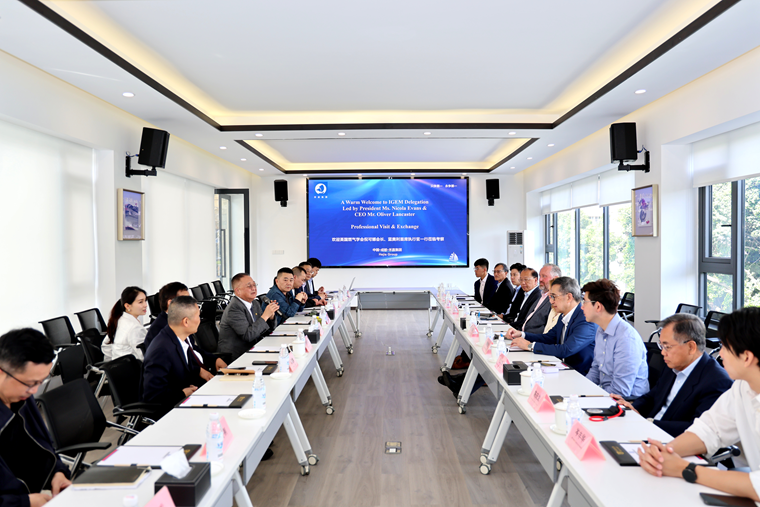
Meeting Session
At the beginning of the meeting, a promotional video of Sichuan Hejia was shown on site, showcasing the company’s history over more than forty years, industrial layout, and the corporate culture. Chairman Xia reviewed the company’s path since the reform and opening-up in 1979, with a focus on explaining the core corporate values of “gratitude and legacy”. He noted that the company has entered a new stage of secondary entrepreneurship, steadily advancing transformation and upgrading while actively expanding its overseas development strategy and seeking opportunities for international exchange, learning, and cooperation.
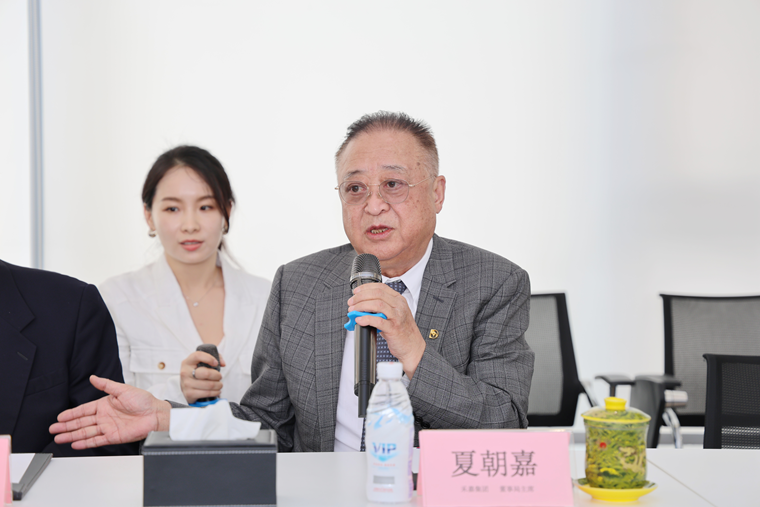
Xia Chaojia, Chairman of Sichuan Hejia
Ms. Nicola, President of IGEM, praised Sichuan Hejia’s achievements and thanked the company for its warm hospitality. She noted that the two organizations share similar values in talent development and team culture, and expressed expectation that both sides would continue to deepen exchanges and promote future cooperation.
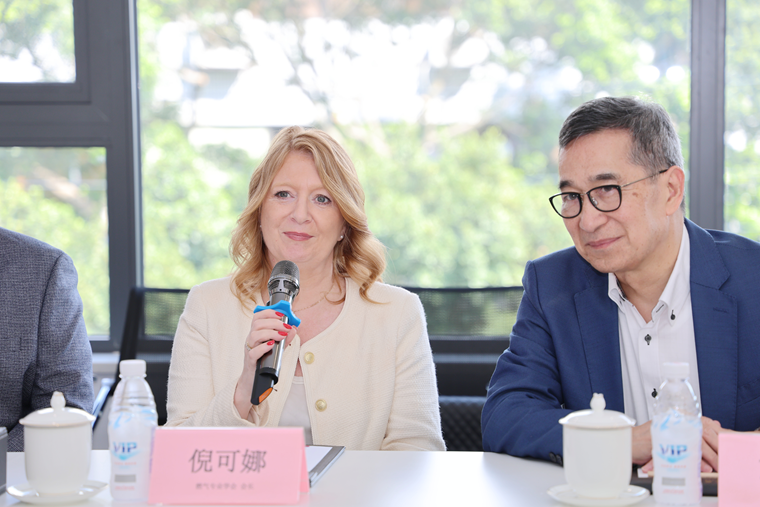
Nicola, President of IGEM
Mr. Oliver Lancaster, CEO of IGEM, gave a presentation on the association’s green energy initiatives, hydrogen industry planning, and frontier technology applications. He introduced the Institution’s efforts to promote the green transformation of gas, expand the multi-sector application of hydrogen energy, and advance a range of low-carbon energy technologies and demonstration cases in both domestic and international markets.

Oliver Lancaster, CEO of IGEM
During the meeting, Mr. Zeng, President of the Sichuan Hejia High-Tech Research Institute, delivered a presentation focusing on the passive control technology under his leadership. Unlike the passive nuclear safety systems used in the U.S. AP1000 nuclear power technology and its upgrade such as CAP1400, CSR1000, and the latest pebble-bed modular high-temperature gas-cooled reactors, this invention is a proprietary technology designed for pipeline safety protection of oil, water, and gas pipeline networks, with broad application prospects.
The passive control technology developed by Mr. Zeng is based on automatic control, with the core function being the realization of passive differential-pressure-driven control and protection in pressure pipeline systems. The technology has obtained invention patents in both China and the United States. Driven by natural force and pressure difference, it does not require an external power source and can make autonomous emergency decisions based on changes in physical parameters. It can also be integrated with existing systems. With strong advantages in safety, reliability, energy efficiency, and emergency response, the technology can effectively address safety risks under extreme working conditions. It is widely applicable to high-risk scenarios such as oil and gas storage and transportation, gas pipelines, nuclear power plants, and chemical plants. In response to the IGEM’s concerns regarding pressure ratings and pipe diameter adaptability, Mr. Zeng stated that the technology’s pressure ratings and pipe diameter specifications meet the practical application requirements of various gas pipeline systems.
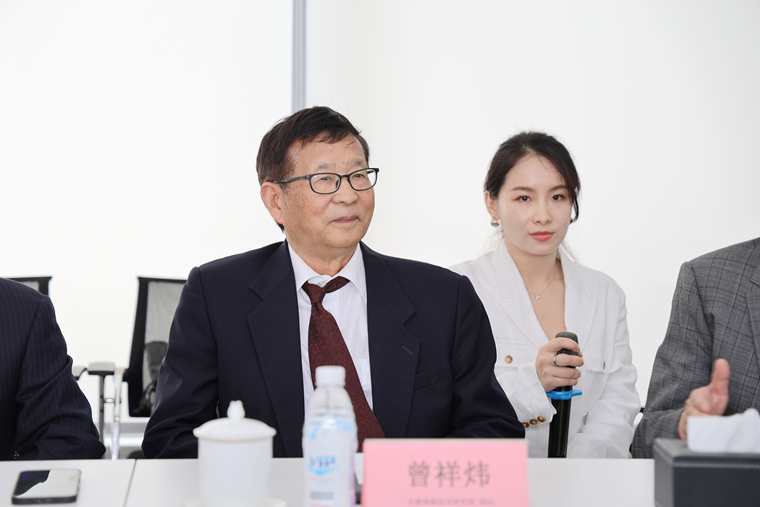
Zeng Xiangwei, Director of Sichuan Hejia Hi-Tech Research Institute
As one of China’s leading experts in energy development strategy, Mr. Wang Jin has led major national energy projects including the Overall Plan for the Reform of China’s Oil and Gas System and Study on the Reform and Operational Mechanism of China’s Oil and Gas Pipeline Network. He has also presided over hundreds of major energy and economic forums, including the Boao Forum for Asia Global Energy CEO Conference, the Global Nuclear Power Forum, the Asian Photovoltaic Forum, and the China Energy Entrepreneurs Forum.
During this presentation, from the principles of passive control technology to its application scenarios, Mr. Wang Jin listened carefully. He stated that passive control technology is a core emergency protection technology related to public safety, suitable for multiple key sectors such as gas, nuclear power, and new energy. He added that once the product reaches maturity, it will have broad market prospects and significant industrial promotion value. At the same time, he affirmed Sichuan Hejia’s direction focusing on practical applications in gas safety, praising the company’s rapid progress in principle verification, prototype testing, application scenario testing, and national inspection and certification planning for passive control technology. Mr. Wang Jin also emphasized the importance of intellectual property protection and anti-counterfeiting measures for new technology products to ensure their industrial application value.
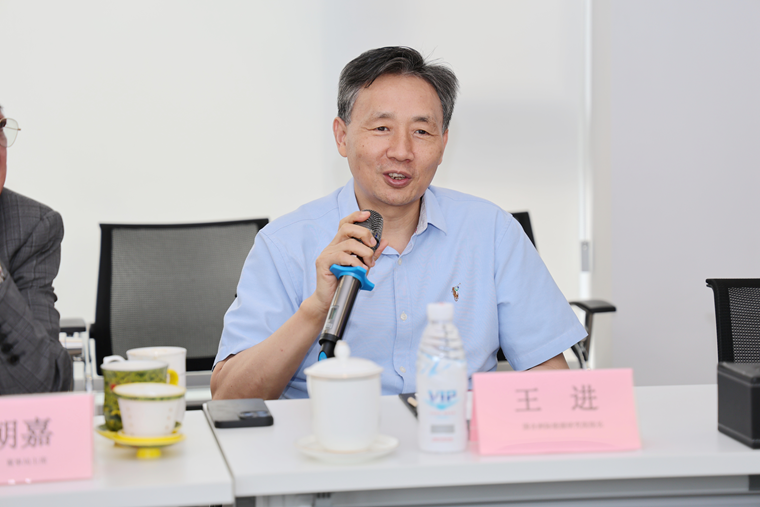
Wang Jin, Director of Guohe Intercontinental Energy Research Institute
The meeting achieved fruitful results and carried significant importance. It not only established a high-quality platform for technical exchange and resource sharing between Chinese and international energy industry partners, but also fully demonstrated Sichuan Hejia’s strength and forward-looking layout in technological innovation and industrial upgrading. With highly aligned development concepts and complementary resource advantages, both sides are expected to further deepen cooperation in gas safety technologies, accelerate the transformation and industrial application of frontier technologies, and promote mutually beneficial and coordinated development.
